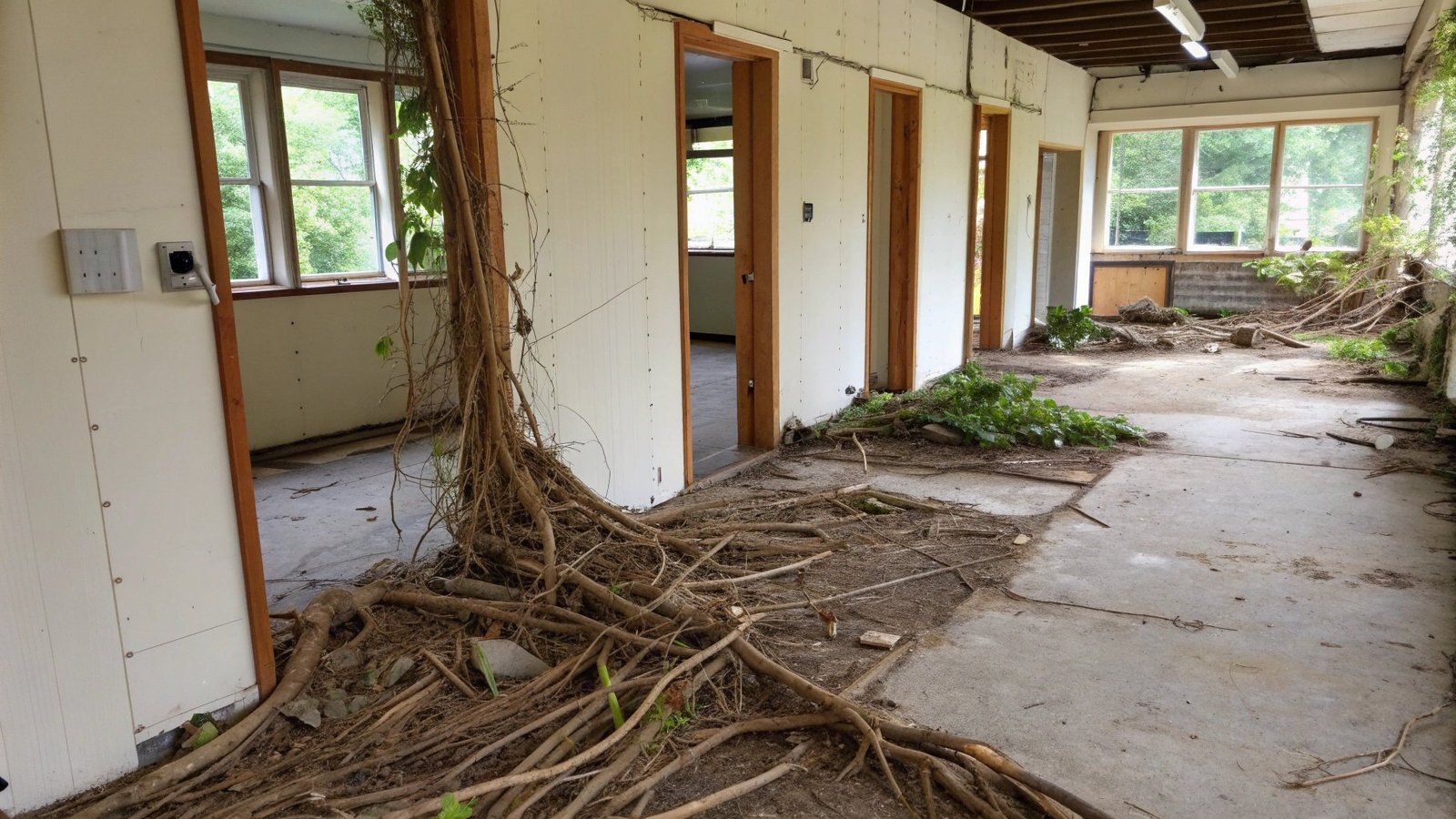
Japanese knotweed significantly affects property values and mortgageability across Surbiton, Surrey, and London. As experienced Surbiton Surveyors and RICS chartered professionals, we identify and report on this invasive plant species during building surveys, helping clients understand risks and treatment options.
What is Japanese Knotweed?
Japanese knotweed (Fallopia japonica) is an aggressive invasive plant species introduced to the UK in the 1800s. It grows rapidly (up to 10cm per day), spreads extensively through underground rhizomes, and can damage building foundations, drains, and pathways.
Identification Characteristics
- Stems: Hollow bamboo-like canes with purple speckles
- Leaves: Shield-shaped (10-12cm), pointed tips
- Flowers: Clusters of small creamy-white flowers (late summer)
- Growth pattern: Dense stands forming thickets
- Height: Can reach 2-3 metres in summer
- Winter appearance: Dead brown canes remain standing
Why Japanese Knotweed Matters to Property Buyers
Chartered surveyors must report knotweed because it affects:
1. Property Values
Knotweed presence can reduce property values by 5-15% depending on severity and proximity to buildings. Buyers negotiate substantial price reductions reflecting treatment costs and stigma.
2. Mortgage Availability
Many lenders refuse mortgages on properties with Japanese knotweed unless:
- Located more than 7 metres from buildings
- Insurance-backed treatment plan in place
- Evidence of professional treatment completion
3. Legal Liability
Property owners have legal obligations under the Wildlife and Countryside Act 1981. Allowing knotweed to spread to neighboring properties can result in legal action and compensation claims.
4. Treatment Costs
Professional knotweed treatment costs £1,500-£5,000+ for residential properties depending on infestation extent. Treatment typically takes 3-5 years to complete.
How Surbiton Surveyors Identify Japanese Knotweed
During building surveys, we:
- Inspect boundaries, gardens, and adjacent land
- Look for characteristic identification features
- Assess proximity to buildings and structures
- Photograph suspected knotweed for verification
- Recommend specialist surveys if knotweed suspected
- Report findings according to RICS guidelines
Important: Surveyors are not botanists. Where knotweed is suspected, we recommend commissioning specialist Japanese knotweed surveys from qualified ecologists or knotweed specialists.
RICS Knotweed Categories
RICS provides standardized assessment categories:
Category 1: Severe Risk
Knotweed within 7 metres of habitable space, causing or likely to cause structural damage. Lenders typically decline mortgages.
Category 2: Moderate to Significant Risk
Knotweed within 7 metres of the property boundary but outside buildings. Treatment plan usually required for mortgage approval.
Category 3: Low to Manageable Risk
Knotweed present more than 7 metres from property. Management plan advisable but mortgages generally obtainable.
Category 4: No Risk
No Japanese knotweed identified during inspection.
Japanese Knotweed Treatment Options
Herbicide Treatment
Most common method using glyphosate-based herbicides applied over 3-5 growing seasons:
- Costs: £1,500-£3,000 for typical residential gardens
- Duration: 3-5 years
- Success rate: High with professional application
- Guarantees: 10-year insurance-backed warranties available
Excavation and Removal
Physical removal of contaminated soil:
- Costs: £5,000-£20,000+ (expensive due to disposal)
- Duration: Can be completed within weeks
- Advantages: Immediate solution for development projects
- Disadvantages: Very costly, requires licensed disposal
Root Barrier Installation
Physical barriers preventing spread combined with herbicide treatment:
- Costs: £2,000-£8,000
- Use case: Protecting specific structures while treating infestation
Buying Property with Japanese Knotweed
Surbiton Surveyors advise clients considering knotweed-affected properties:
Essential Steps
- Commission specialist survey: Obtain professional knotweed assessment with management plan
- Get treatment quotations: Multiple quotes from PCA-registered contractors
- Check mortgage availability: Confirm lender will provide finance
- Negotiate price reduction: Reflect treatment costs (typically treatment cost + 20-50%)
- Secure insurance-backed guarantee: 10-year warranty for mortgage purposes
- Verify seller disclosure: Check TA6 Property Information Form completed accurately
Red Flags
Walk away from purchases where:
- Seller refuses to disclose knotweed presence
- Evidence of untreated knotweed near buildings
- Mortgage unavailable without unreasonable conditions
- Treatment costs exceed price reduction offered
Legal Obligations for Property Owners
Owners must:
- Prevent spread: Ensure knotweed doesn't encroach on neighboring properties
- Disclose presence: Declare knotweed on TA6 forms when selling
- Dispose correctly: Contaminated soil is controlled waste requiring licensed disposal
- Respond to notices: Local authorities can issue Community Protection Notices
Failure to comply can result in fines, prosecution, and civil liability for damages to neighboring properties.
Common Misconceptions About Japanese Knotweed
Myth: Knotweed Destroys Buildings
Reality: While knotweed can exploit existing weaknesses (cracks, gaps), it doesn't typically cause direct structural damage to sound buildings. However, it can damage drains, pathways, and weaker structures.
Myth: Knotweed is Impossible to Eradicate
Reality: Professional herbicide treatment is highly effective, achieving eradication in 3-5 years with proper application.
Myth: You Can DIY Knotweed Removal
Reality: DIY attempts usually fail and can spread infestation. Professional treatment with guarantees is essential for mortgage purposes.
Myth: Knotweed Makes Properties Unsellable
Reality: Properties with managed, treated knotweed can be sold with appropriate price adjustments and treatment guarantees in place.
Survey Recommendations
When building surveys identify suspected Japanese knotweed, Surbiton Surveyors recommend:
- Specialist knotweed survey from PCA-registered consultant
- Management plan with treatment timelines
- Multiple treatment quotations
- Insurance-backed guarantees (10+ years)
- Legal advice on disclosure obligations
- Mortgage lender consultation before proceeding
Seasonal Identification Guide
Spring (March-May)
Red/purple shoots emerge from ground, growing rapidly. Asparagus-like appearance initially.
Summer (June-August)
Full growth with shield-shaped green leaves. Dense stands reaching 2-3 metres. Creamy-white flower clusters appear late summer.
Autumn (September-November)
Leaves turn yellow then brown. Flowers become papery seed heads (plants rarely produce viable seeds in UK).
Winter (December-February)
Dead brown canes remain standing. Underground rhizomes remain dormant but viable.
Impact on Different Property Types
Residential Properties
Knotweed near homes affects:
- Mortgage availability
- Property values
- Insurance premiums
- Garden usability
- Future sale prospects
Commercial Properties
Business premises face additional concerns:
- Development project delays
- Lease complications
- Liability to adjoining properties
- Environmental compliance
Development Sites
Land with knotweed requires:
- Comprehensive eradication before building
- Soil contamination assessment
- Significant budget allocation
- Extended project timelines
Insurance Considerations
Buildings Insurance
Standard policies typically:
- Exclude knotweed damage
- Don't cover treatment costs
- May refuse cover if knotweed present
Treatment Guarantees
Professional treatment includes:
- 10-year insurance-backed warranties
- Coverage for re-emergence
- Transferable to new owners
- Acceptable to most mortgage lenders
Legal Expense Insurance
Consider coverage for:
- Neighbor disputes
- Encroachment claims
- Local authority enforcement
Case Study: Surbiton Property Purchase
Recent example from our Surbiton Surveyors practice:
Property: 3-bedroom semi-detached house
Asking price: £450,000
Issue: Japanese knotweed discovered 5 metres from house
Our actions:
- Specialist survey commissioned: £350
- Treatment quotations obtained: £2,500-£3,200
- 10-year guarantee secured: Included in treatment
- Lender consulted: Acceptable with guarantee
Outcome: Price negotiated to £440,000 (£10,000 reduction). Treatment commenced before completion. Buyers obtained insurance-backed guarantee transferable to future buyers.
Preventing Knotweed Spread
For Property Owners
- Never plant Japanese knotweed (illegal)
- Don't compost or dispose of cuttings in garden waste
- Commission professional treatment immediately if found
- Prevent spread to neighboring properties
- Keep treatment records for future sales
For Buyers
- Commission thorough building surveys
- Inspect gardens and boundaries carefully
- Check neighboring properties for knotweed
- Review seller's TA6 declarations
- Obtain specialist advice if concerned
Conclusion: Managing Knotweed Risks
Japanese knotweed need not be a deal-breaker for property purchases in Surrey and London. With professional surveys from Surbiton Surveyors, specialist treatment plans, and appropriate price negotiations, knotweed-affected properties can be purchased safely.
The key is professional identification, realistic treatment planning, and ensuring mortgage availability before committing to purchase. Our RICS chartered surveyors provide expert identification and guidance, protecting your property investment.
Contact Surbiton Surveyors today for comprehensive building surveys including Japanese knotweed identification and risk assessment.
Concerned About Japanese Knotweed?
Our RICS surveyors identify knotweed and provide expert guidance on treatment and mortgage implications.