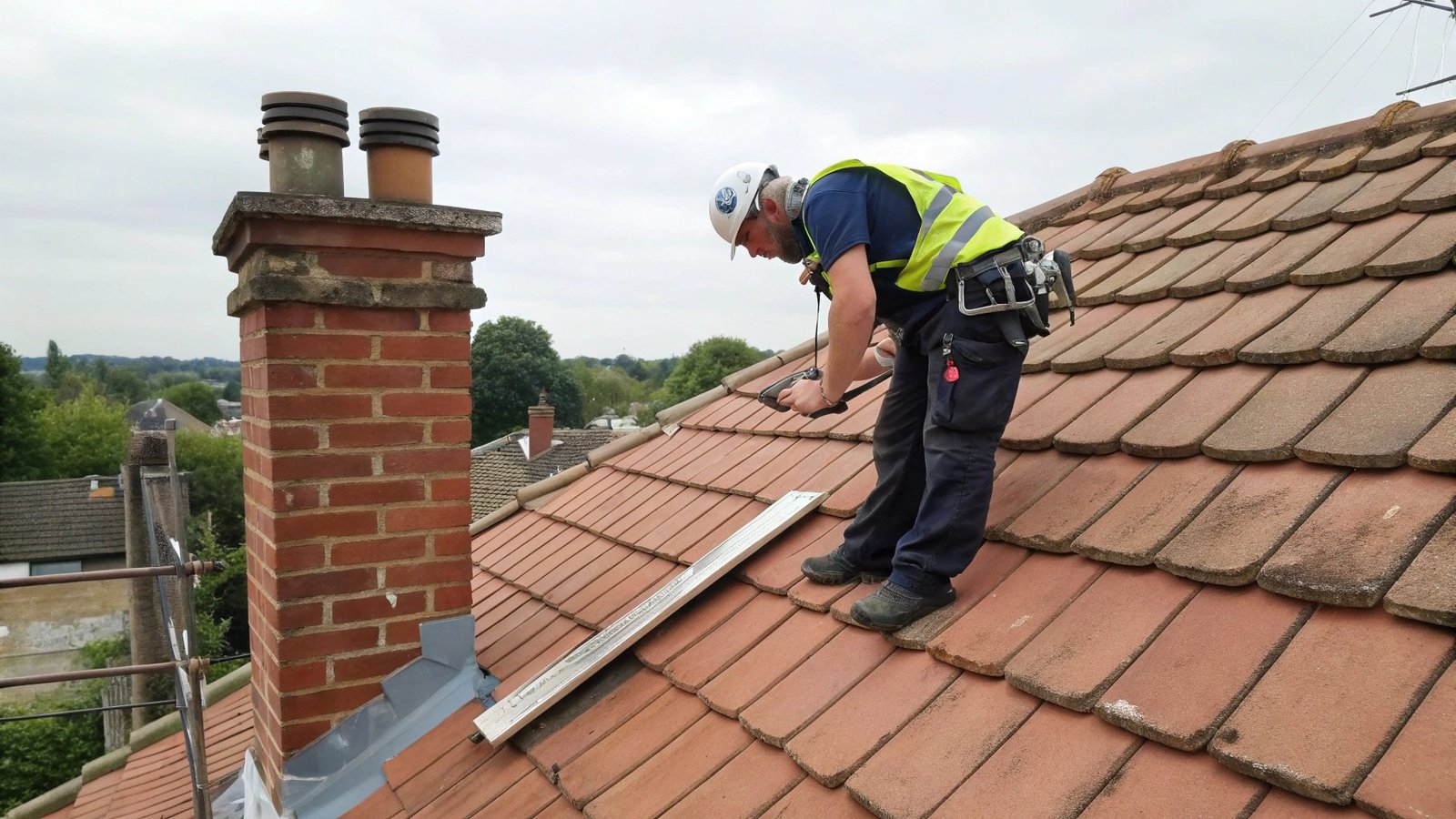
The roof is one of the most critical elements inspected during building surveys by Surbiton Surveyors. A defective roof can lead to water ingress, structural damage, and repair bills running into tens of thousands of pounds. Understanding what chartered building surveyors check helps property buyers in Surrey and London make informed decisions.
Why Roof Inspections Are Essential
As experienced Surbiton Surveyors, we inspect hundreds of roofs annually across Surrey, Kingston, and London. Roof defects are among the most expensive property issues, with full re-roofing costs ranging from £5,000-£15,000+ for typical homes.
Roof problems identified during property surveys include:
- Water ingress causing internal damage
- Structural timber decay
- Insulation deficiencies increasing energy costs
- Safety hazards from loose materials
- Reduced property values
Roof Inspection Methods Used by Chartered Surveyors
Ground-Level Inspection with Binoculars
All building surveys include detailed ground-level inspection using high-powered binoculars. This allows chartered surveyors to examine roof coverings, flashings, chimneys, and guttering safely.
Loft Inspection
Internal roof structure inspection from the loft space is crucial. We examine roof timbers, sarking, insulation, and evidence of leaks or defects not visible externally.
Ladder Inspection (Level 3 Surveys)
For comprehensive Level 3 Building Surveys, Surbiton Surveyors use ladders to inspect eaves-level detail, valley gutters, and parapet structures where safe and practical.
Thermal Imaging
Infrared cameras detect heat loss, hidden moisture, and insulation defects not visible during standard inspections.
What Surveyors Check on Different Roof Types
Pitched Roofs (Most Common in Surrey)
Chartered building surveyors inspect:
- Roof coverings: Slate, tile, or other material condition
- Ridges and hips: Mortar bedding and fixings
- Valleys: Lead-lined or tiled valley construction and condition
- Flashings: Lead or other waterproofing around penetrations
- Eaves and verges: Edge details and ventilation
- Roof structure: Timbers, purlins, rafters, and trusses
- Sarking/underfelt: Condition of breathable membranes
- Insulation: Type, thickness, and installation quality
- Ventilation: Adequate airflow preventing condensation
Flat Roofs
Common on extensions and garages, flat roofs have limited lifespans:
- Covering type: Felt, fibreglass, EPDM rubber, or lead
- Surface condition: Blistering, cracking, or ponding water
- Falls (drainage): Adequate slope for water runoff
- Edge details: Upstands and drips
- Penetrations: Pipes and ventilation seals
As Surbiton Surveyors, we advise that traditional felt flat roofs typically last 10-15 years, while modern systems can last 20+ years.
Common Roof Defects Found in Surrey Properties
1. Slipped or Missing Slates/Tiles
One of the most frequent defects we identify during building surveys. Causes include:
- Nail or fixing failures (nail sickness)
- Frost damage to materials
- Wind uplift
- Poor original installation
Repair costs: Individual slate replacement: £80-£150 per slate. Extensive slippage requiring re-roofing: £7,000-£15,000+.
2. Defective Valley Gutters
Valley gutters (where two roof slopes meet) are critical waterproofing points. Chartered surveyors commonly find:
- Split or punctured lead lining
- Inadequate falls causing water ponding
- Blocked or debris-filled valleys
- Failed tiled valley construction
Repair costs: Lead valley renewal: £150-£250 per metre.
3. Chimney Stack Issues
Many properties in Surbiton and Kingston have Victorian or Edwardian chimneys. Common problems:
- Leaning or unstable stacks
- Defective pointing allowing water penetration
- Missing or damaged chimney pots
- Failed lead flashings at chimney base
- Spalling brickwork from frost damage
Repair costs: Repointing: £500-£1,500. Stack rebuild: £2,000-£5,000+.
4. Roof Spread and Structural Movement
Traditional cut roofs can suffer "roof spread" where rafters push outward, causing walls to bulge. Signs include:
- Bulging walls at eaves level
- Cracks below roof line
- Displaced ridge tiles
- Failed or missing tie beams/collars
Repair costs: Remedial structural works: £3,000-£10,000+ depending on extent.
5. Timber Decay and Beetle Infestation
During loft inspections, Surbiton Surveyors examine roof timbers for:
- Wet rot from persistent leaks
- Common furniture beetle (woodworm)
- Death watch beetle (in older properties)
- Poor ventilation causing condensation and decay
Repair costs: Treatment: £500-£2,000. Timber replacement: £2,000-£10,000+.
6. Inadequate Insulation
Current building regulations recommend 270mm loft insulation. Property surveys frequently find:
- Insufficient insulation thickness (often 100mm or less)
- Compressed or damaged insulation
- Missing insulation in areas
- Inadequate ventilation causing condensation
Improvement costs: £300-£600 for DIY; £800-£1,500 professionally installed.
7. Defective Flashings
Lead flashings seal junctions between roofs and walls, chimneys, or other penetrations. Common failures:
- Split or torn lead
- Inadequate upstands
- Poor mortar bedding
- Thermal movement damage
Repair costs: £100-£500 per flashing location.
8. Gutter and Downpipe Defects
While technically not the roof, guttering and rainwater disposal significantly affect roof longevity:
- Blocked or overflowing gutters
- Leaking joints
- Inadequate falls
- Missing or broken downpipes
- Faulty gutter brackets
Repair costs: Gutter cleaning: £100-£200. Gutter replacement: £30-£50 per metre.
Roof Types Common in Surbiton and Surrey
Slate Roofs
Welsh or imported slates are durable, lasting 75-100+ years. Chartered surveyors assess:
- Slate quality and delamination (flaking)
- Fixing method (nails, hooks, or pegs)
- Nail sickness causing slippage
- Age and remaining serviceable life
Clay Tile Roofs
Traditional clay plain tiles or interlocking tiles:
- Frost damage and cracking
- Nail fixing failures
- Moss growth (indicating possible water retention)
- Service life typically 50-70 years
Concrete Tile Roofs
Common on 1930s-1980s properties:
- Surface erosion and pitting
- Reduced water-shedding ability with age
- Fixing degradation
- Service life 40-60 years
Roof Age and Replacement Planning
Surbiton Surveyors help clients understand roof life expectancy:
| Material | Typical Lifespan | Replacement Cost |
|---|---|---|
| Welsh Slate | 75-100+ years | £10,000-£20,000+ |
| Clay Tiles | 50-70 years | £7,000-£12,000 |
| Concrete Tiles | 40-60 years | £6,000-£10,000 |
| Felt Flat Roof | 10-15 years | £50-£90 per m² |
| Fibreglass (GRP) | 20-30 years | £100-£150 per m² |
Roof Ventilation and Condensation
Adequate roof ventilation is critical. Building surveys assess:
- Eaves ventilation: Continuous ventilation strips or individual vents
- Ridge ventilation: Allowing warm, moist air to escape
- Cross-flow ventilation: Creating air movement through loft space
- Room-in-roof ventilation: Special requirements for converted lofts
Poor ventilation leads to condensation, causing timber decay, insulation damage, and mould growth.
Loft Conversion Considerations
When surveying properties with loft conversions, Surbiton Surveyors check:
- Planning permission and Building Regulations approval
- Adequate structural reinforcement
- Fire safety measures (protected escape routes, fire doors)
- Appropriate insulation and ventilation
- Roof window installation quality
- Services (electrical, heating, plumbing)
Uncertified loft conversions may affect mortgage ability and require expensive remedial works.
Roof Maintenance Recommendations
As chartered building surveyors, we advise regular roof maintenance:
Annual Checks
- Visual inspection from ground level using binoculars
- Clear gutters and downpipes (autumn and spring)
- Check loft space for leaks after heavy rain
- Inspect after storms for displaced materials
Professional Inspections
- Comprehensive survey every 5-10 years
- Before and after roof-adjacent works (solar panels, satellite dishes)
- When noticing any defects or leaks
Proactive Maintenance
- Replace missing slates/tiles promptly
- Repoint chimney stacks when mortar deteriorates
- Renew flashings showing wear
- Trim overhanging vegetation
- Ensure adequate ventilation
How Roof Defects Affect Property Values and Mortgages
Serious roof defects identified during building surveys can:
- Reduce property values: Buyers negotiate discounts reflecting repair costs
- Affect mortgageability: Lenders may refuse mortgages or require repairs before completion
- Impact insurance: Some insurers exclude roof damage or increase premiums
- Delay transactions: Additional investigations or quotes required
Comprehensive roof inspections by Surbiton Surveyors provide accurate information allowing informed negotiation.
Questions to Ask About Roof Condition
When buying property, ask sellers:
- When was the roof last inspected or maintained?
- Have there been any leaks or repairs?
- Is there documentation for roof works?
- Are there guarantees for previous repairs?
- When were gutters last cleaned?
- Has the loft been inspected recently?
Answers help chartered surveyors focus inspections on known or potential problem areas.
Conclusion: The Critical Importance of Professional Roof Inspections
Roofs are complex structures requiring expert assessment. DIY inspections miss critical defects leading to expensive surprises after purchase. Professional building surveys from experienced Surbiton Surveyors identify current defects, assess remaining service life, and provide realistic repair cost estimates.
Whether you're buying a period property in Surbiton, a 1930s semi in Kingston, or a modern home in Surrey, comprehensive roof inspection is essential. Our chartered building surveyors combine technical expertise with local knowledge, ensuring you understand exactly what you're buying.
Don't gamble with your largest investment. Contact Surbiton Surveyors today for professional building surveys including thorough roof inspections that reveal the true condition of your potential new home.
Need a Comprehensive Building Survey?
Our chartered surveyors provide detailed roof inspections as part of comprehensive building surveys. Get expert assessment today.